-
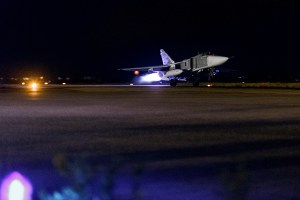
Attacks on an airbase in Syria reveal the cheap price of aerial insurgency
Repeated drone attacks on a Russian-operated airbase in Syria showcase the new asymmetric war in the sky.
-
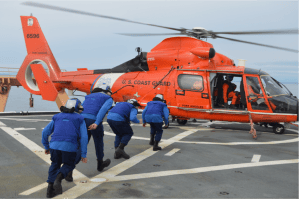
Coast Guard partners with Air Force to protect eyes from lasers
Lasers make it hard for pilots to see and dangerous to fly, so the Coast Guard is looking into new eye protection that mitigates lasers without reducing visibility too much.
-
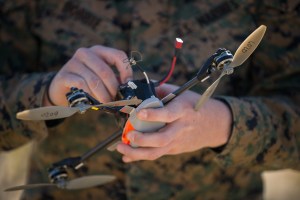
The Pentagon is asking for 3 times as many drones for 2019
A new report from the Center for the Study of the Drone at Bard University found the Department of Defense is asking for three times as many drones for 2019 as it did in 2018.
-
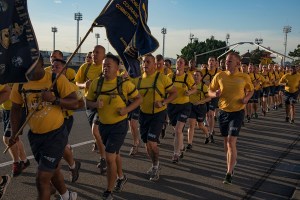
How a popular running app reveals the discreet routines of life on base
The running app Strava released a heat map of its users’ activities. Here’s why that could be troublesome for the Department of Defense.
-
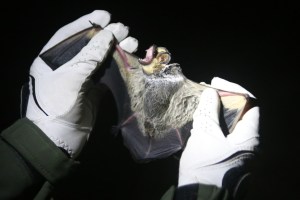
The Pentagon will study — na-na-na-na-na-na-na-na — bat drones!
The Pentagon is soliciting work from university-industry teams that includes bio-inspired highly maneuverable autonomous UAVs. In other words, bat drones.
-
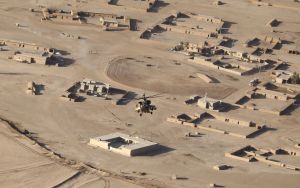
What World Bank learned from satellite images: ISIS sucked at oil production
It’s a good idea to understand how such a group can harness the resources it commands, and turn them into the fuel for a grotesque war machine. So, for all its bloodshed, how much oil did the Islamic State ultimately produce?
-
Attacks on an airbase in Syria reveal the cheap price of aerial insurgency
Repeated drone attacks on a Russian-operated airbase in Syria showcase the new asymmetric war in the sky.
-
Coast Guard partners with Air Force to protect eyes from lasers
Lasers make it hard for pilots to see and dangerous to fly, so the Coast Guard is looking into new eye protection that mitigates lasers without reducing visibility too much.
-
The Pentagon is asking for 3 times as many drones for 2019
A new report from the Center for the Study of the Drone at Bard University found the Department of Defense is asking for three times as many drones for 2019 as it did in 2018.
-
How a popular running app reveals the discreet routines of life on base
The running app Strava released a heat map of its users’ activities. Here’s why that could be troublesome for the Department of Defense.
-
The Pentagon will study — na-na-na-na-na-na-na-na — bat drones!
The Pentagon is soliciting work from university-industry teams that includes bio-inspired highly maneuverable autonomous UAVs. In other words, bat drones.
-
What World Bank learned from satellite images: ISIS sucked at oil production
It’s a good idea to understand how such a group can harness the resources it commands, and turn them into the fuel for a grotesque war machine. So, for all its bloodshed, how much oil did the Islamic State ultimately produce?
-
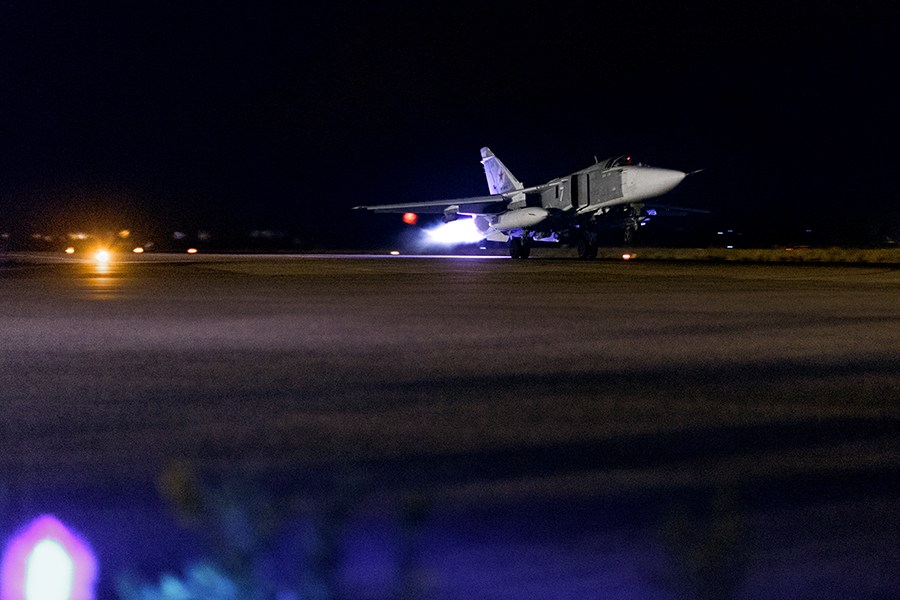
Attacks on an airbase in Syria reveal the cheap price of aerial insurgency
Repeated drone attacks on a Russian-operated airbase in Syria showcase the new asymmetric war in the sky.
-
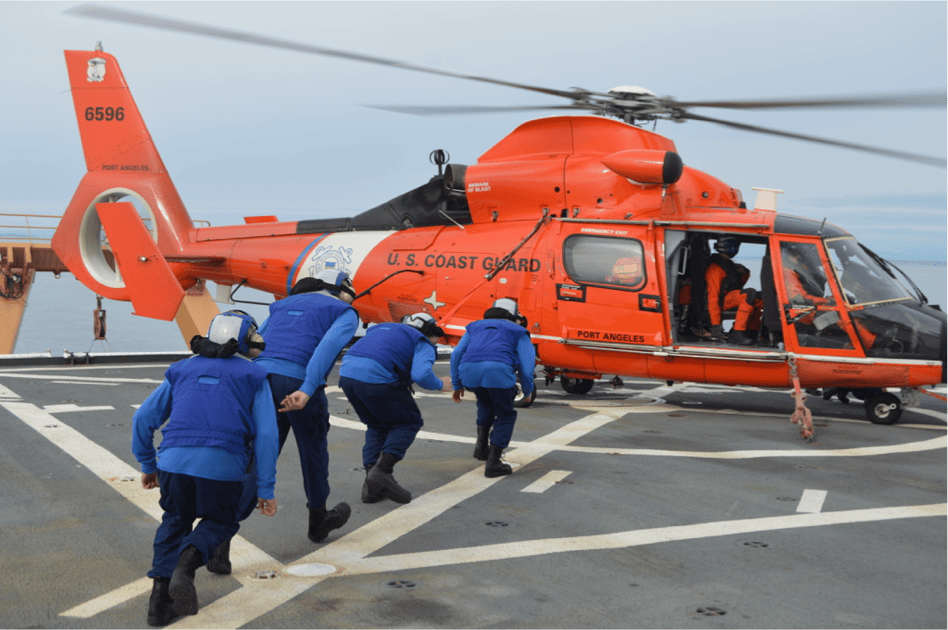
Coast Guard partners with Air Force to protect eyes from lasers
Lasers make it hard for pilots to see and dangerous to fly, so the Coast Guard is looking into new eye protection that mitigates lasers without reducing visibility too much.
-
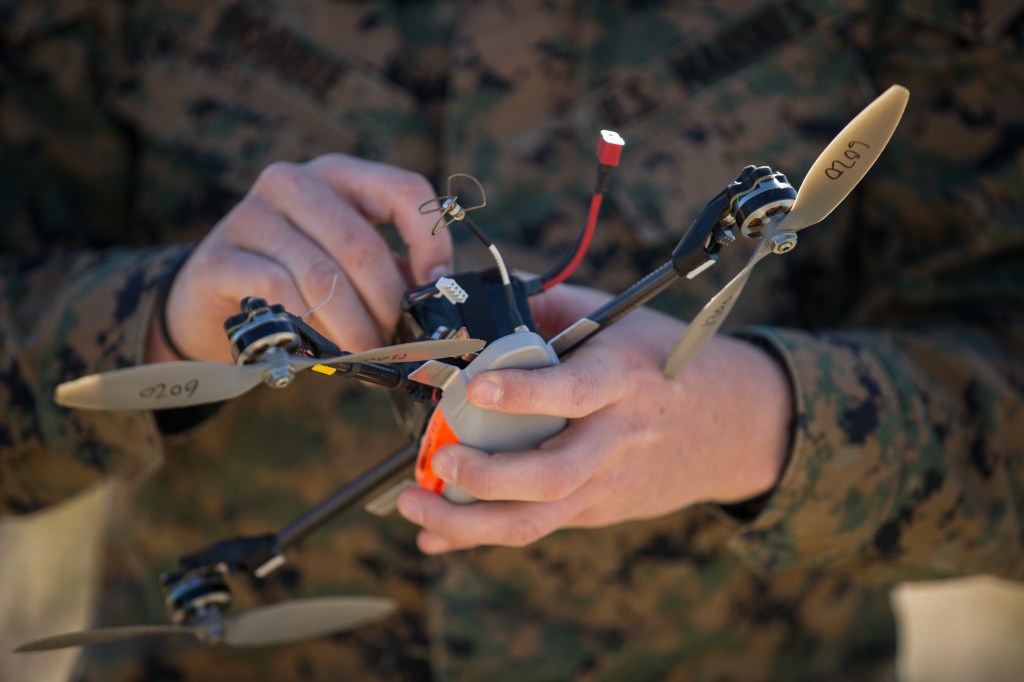
The Pentagon is asking for 3 times as many drones for 2019
A new report from the Center for the Study of the Drone at Bard University found the Department of Defense is asking for three times as many drones for 2019 as it did in 2018.
-
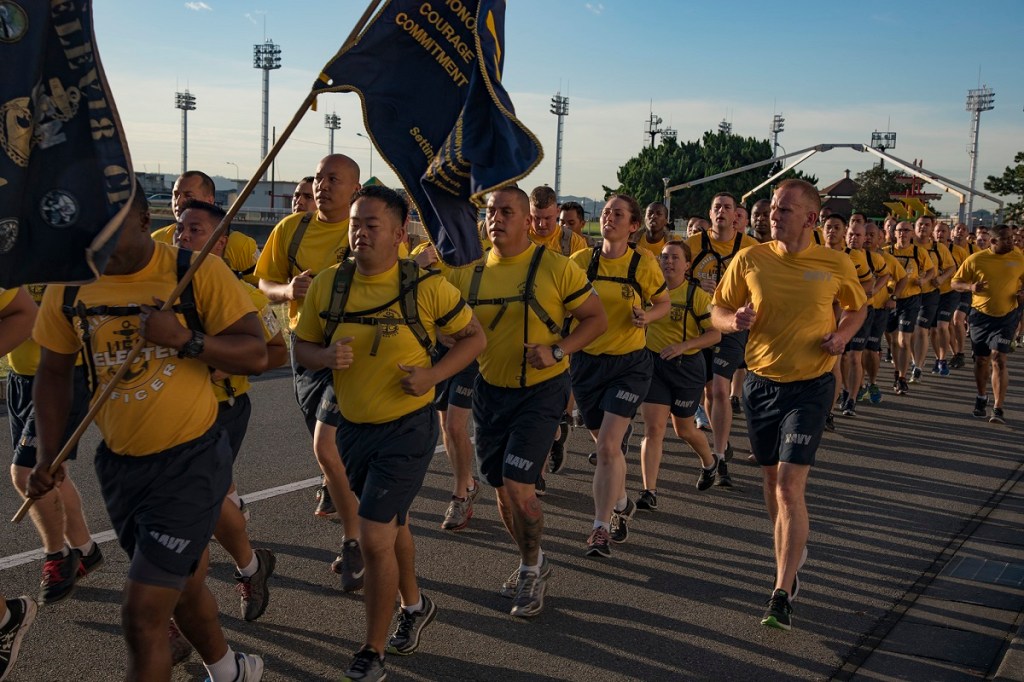
How a popular running app reveals the discreet routines of life on base
The running app Strava released a heat map of its users’ activities. Here’s why that could be troublesome for the Department of Defense.
-
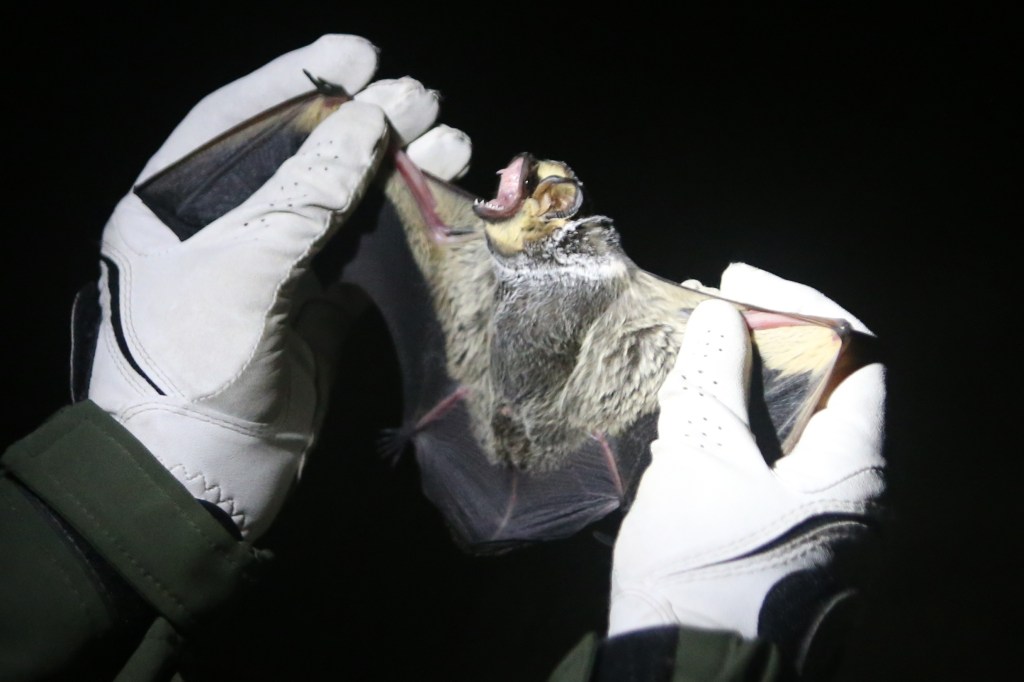
The Pentagon will study — na-na-na-na-na-na-na-na — bat drones!
The Pentagon is soliciting work from university-industry teams that includes bio-inspired highly maneuverable autonomous UAVs. In other words, bat drones.
-
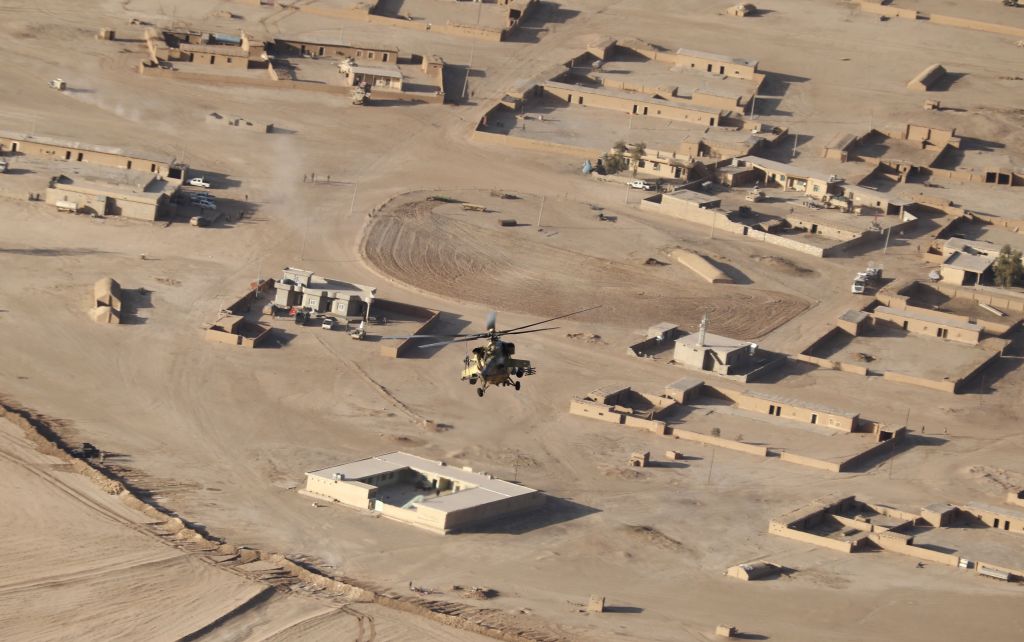
What World Bank learned from satellite images: ISIS sucked at oil production
It’s a good idea to understand how such a group can harness the resources it commands, and turn them into the fuel for a grotesque war machine. So, for all its bloodshed, how much oil did the Islamic State ultimately produce?